The Elementor Cart Page refers to a custom-designed WooCommerce cart page that is built and styled using Elementor Pro, a popular drag-and-drop WordPress page builder.
By default, WooCommerce provides a standard cart page slot deposit pulsa where customers can view products they’ve added to their cart, update quantities, apply coupons, and proceed to checkout. However, this default page is quite basic in terms of design and layout.
With Elementor Pro, you can:
- Replace the default WooCommerce cart layout with a custom design
- Use the WooCommerce Cart Widget provided by Elementor Pro
- Add additional design elements like headings, trust badges, images, progress indicators, or promotional messages
- Fully control the look and feel of the page to match your brand
Benefits of Using an Elementor Cart Page:
- Improved user experience: Clean and intuitive layout
- Responsive design: Works well on all devices
- Customization flexibility: You can personalize everything — colors, fonts, spacing, and more
- Marketing enhancements: Add upsells, related products, or urgency timers
So, an Elementor Cart Page is essentially a WooCommerce cart page that’s been customized using Elementor Pro’s visual editor and WooCommerce widgets.
Why Customize the WooCommerce Cart Page?
The default WooCommerce cart page is functional but often lacks visual appeal. Customizing it allows you to:
- Match the design with your brand
- Improve mobile responsiveness
- Add upsells, trust badges, and other conversion-boosting elements
- Optimize the layout for a smoother checkout experience
Prerequisites
Before getting started, make sure you have the following:
- A WordPress website with WooCommerce installed
- Elementor Pro plugin installed and activated
- WooCommerce pages set up correctly
How to Create a WooCommerce Cart Page
Step 1: Set Up the Default Cart Page in WooCommerce
WooCommerce automatically creates a cart page when installed. To check or change it:
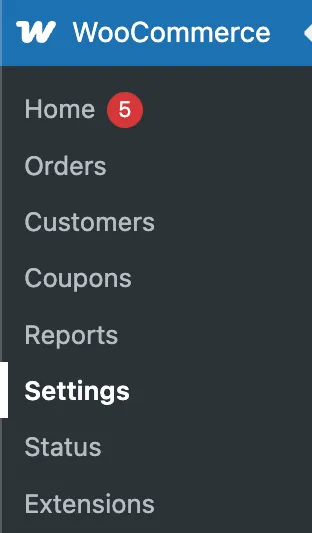
- Go to WooCommerce > Settings > Advanced
- Under Cart Page, ensure a page is assigned (e.g., “Cart”)
- If not, create a new page and assign it here
This page will be used as your Elementor cart page.
Step 2: Create a New Elementor Template
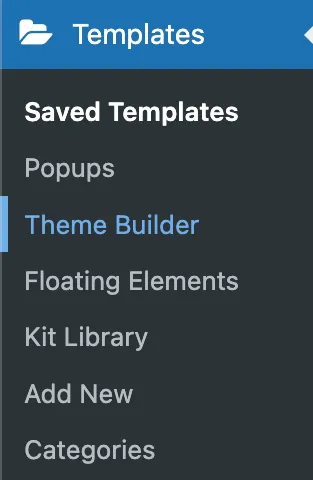
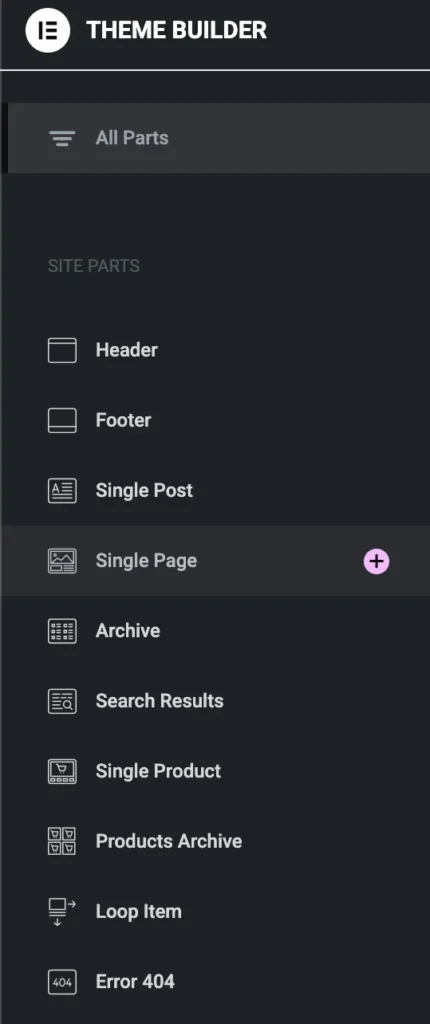
- Navigate to Templates > Theme Builder in your WordPress dashboard
- Click Add New and choose Single Page
- Name your template (e.g., “Custom Cart Page”)
- Click Create Template
Step 3: Add the WooCommerce Cart Widget
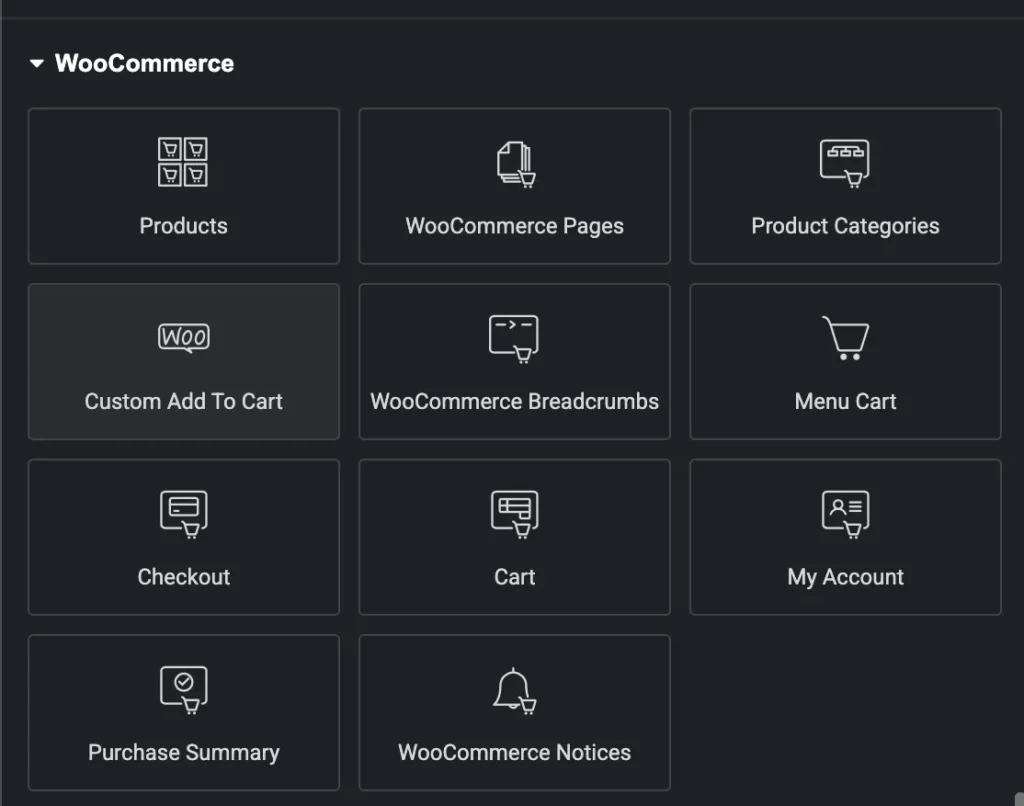
With Elementor Pro, you can drag and drop WooCommerce widgets:
- In the Elementor editor, search for the Cart widget
- Drag the WooCommerce Cart widget into your layout
- Customize the layout using Elementor’s styling options:
- Change typography, colors, and spacing
- Adjust button styles
- Enable or disable coupon code fields
- Change typography, colors, and spacing
This is where your Elementor cart page starts to come to life.
Step 4: Enhance the Page with Additional Elements
To make your cart page more engaging:
- Add trust badges to reassure customers
- Insert progress bars to show checkout steps
- Include cross-sell or upsell products
- Use sections and columns to structure the content neatly
These additions help create a more professional and effective Elementor cart page.
Step 5: Set the Display Conditions
Once your design is ready:
- Click Publish
- Set the display condition to include the cart page
- Save and close
Now, when customers visit the cart, they’ll see your new Elementor cart page.
Step 6: Test the Cart Page
Always test your custom cart page to ensure:
- It displays correctly on all devices
- The cart functionality works (add/update/remove products)
- Styling looks consistent with your brand
Example: “Team Members” Card Page Using Elementor
Layout Structure:
- Section: Full width
- Inner Section (3 or 4 columns depending on screen size)
- Card Widget (or manually built using: Image, Heading, Text Editor, Button)
- Inner Section (3 or 4 columns depending on screen size)
Card Example (Each Card Includes):
- Image: Headshot or Product photo
- Heading: Name or Title
- Text Editor: Role or Description
- Button: “Learn More” / “Read More”
Visual Structure (One Card)

Design Tips in Elementor:
- Use Box Shadow for elevation.
- Set Padding/Margin for spacing.
- Use Hover Effects on button or card.
- Use Responsive Controls for mobile layout.
Conclusion
Designing a custom Elementor Cart Page with Elementor Pro allows you to take full control over your WooCommerce store’s user experience. By replacing the default cart layout with a visually appealing and highly functional design, you can streamline the shopping process, boost engagement, and increase conversions. Whether you’re aiming for a minimalist style or a feature-rich interface, the Elementor Cart Page gives you the flexibility to build a cart experience that perfectly matches your brand and business goals.